 Autor
AutorThe words “Do not be afraid!”, which John Paul II spoke during the inauguration of his pontificate in 1978, have become one of the most important calls for contemporary Christians. The Polish Pope repeatedly emphasized that faith should not be confined to the private sphere, but should actively shape social, political, and cultural life. In times when secularization is increasingly prevalent in public spaces, and Christian values are marginalized or even attacked, the attitude of courage in professing faith is key.
Today’s world often opposes the Christian vision of life. Media, politics, and culture increasingly promote values contrary to Church teaching, and publicly demonstrating faith is often seen as controversial. Yet John Paul II reminded us that Christians must not be afraid – their task is to be “the light of the world” (Mt 5, 14).
Current times require believers to consciously take a stand for the truth, even if it involves misunderstanding, criticism, or social pressure. Christianity has always been called to give witness – from the first martyrs, through 20th-century persecutions, to today’s civilizational challenges.
Faith in the public space – Marco Rubio’s example
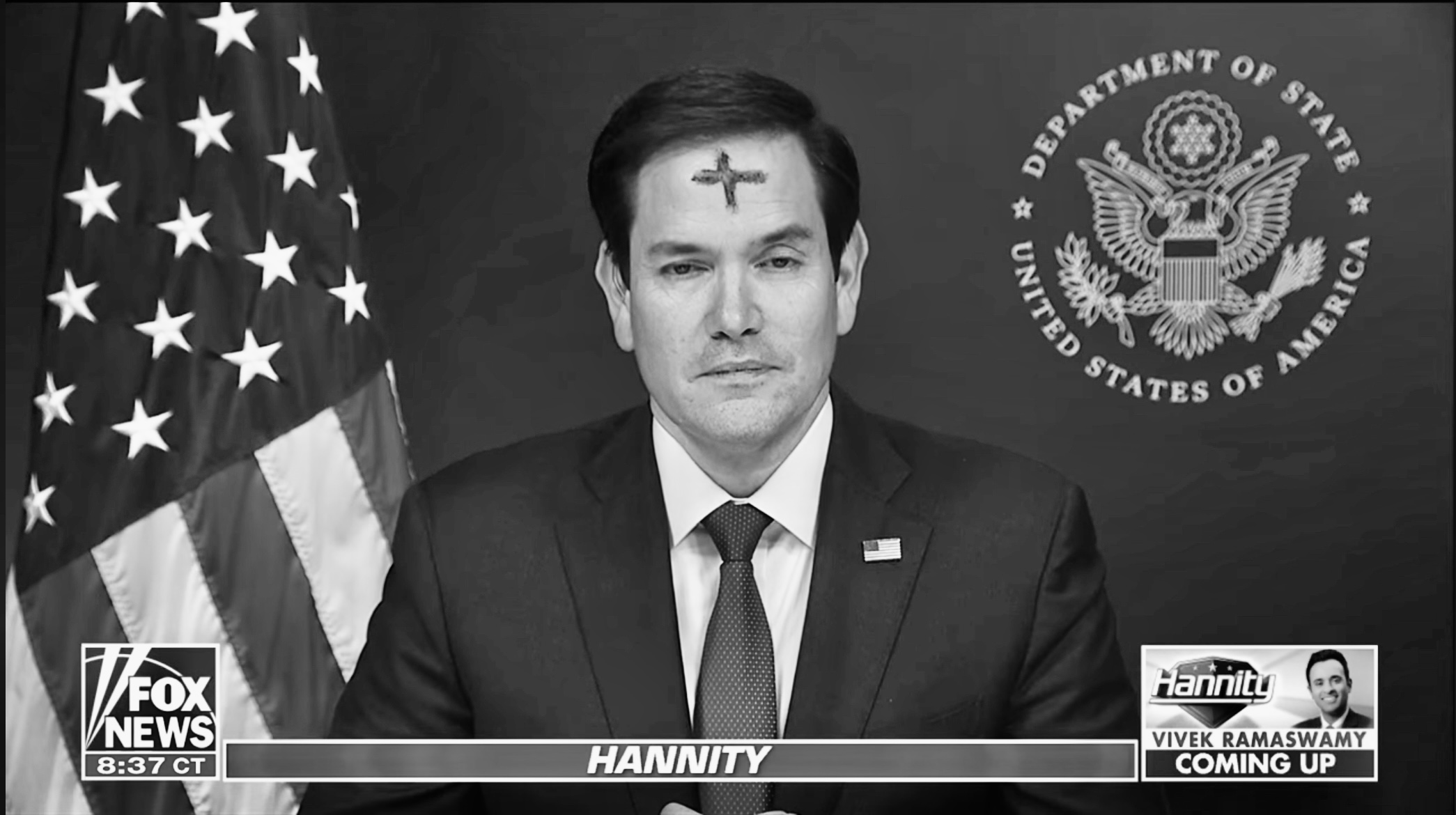
One of the contemporary politicians who is not ashamed to manifest his faith is Marco Rubio, a U.S. senator and former presidential candidate. On Ash Wednesday, like many Catholics around the world, Rubio proudly wore the sign of the cross made of ashes on his forehead. When he appeared in public like this, he received both support and criticism.
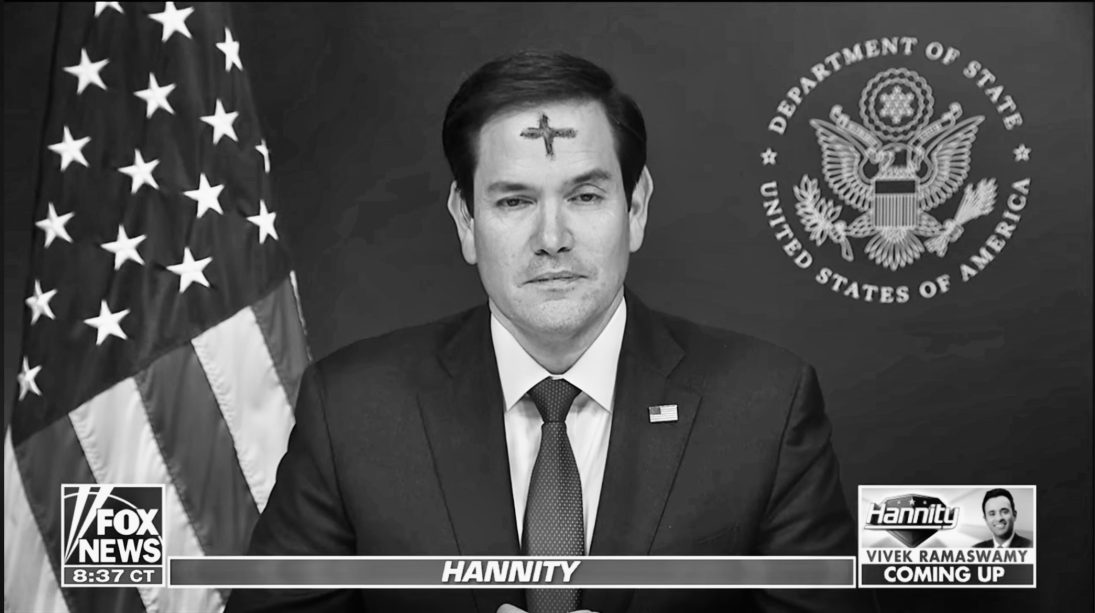
For some, it was an example of authenticity and fidelity to faith; for others, an unnecessary display of religious convictions. However, in the context of John Paul II’s words, Rubio showed that one should not fear admitting to one’s religious identity, even if it meets with misunderstanding. His attitude reminds us that Christianity is not something to be set aside, but an integral part of a believer’s life.
Why should we not be afraid?
1. Faith as a source of strength – John Paul II repeatedly emphasized that the true strength of a Christian comes from faith in Christ. It is this that gives the courage to resist social and cultural pressures.
2. Evangelization in daily life – Witnessing faith does not mean only participating in religious rites, but also daily honesty, care for neighbors, and defense of moral values.
3. History shows that Christians have always been tested – From apostolic times, Christianity has faced persecutions and difficulties. Today’s challenges are just another stage in the history of the Church.
Are there politicians, scholars, educators, and public figures in Poland who are not afraid to manifest their convictions in public spaces and are not ashamed of their faith and religion? Can they say NO when moral values are violated, e.g., those related to the defense of children’s lives?
In the name of party obedience, privileges associated with their positions, or financial security, are they able to remain faithful to values and principles?
John Paul II called for courage and firmness in faith. Contemporary Christians should take example from figures like Marco Rubio or J.D. Vance, who, despite social pressures, are not afraid to admit their faith.
In a world where Christian values are increasingly rejected, it is essential not to retreat into the private sphere, but to give witness – without fear or shame.

 Autor
Autor