 Autor
AutorRoadside Chapels: An Essential Element of Polish Religious Landscape
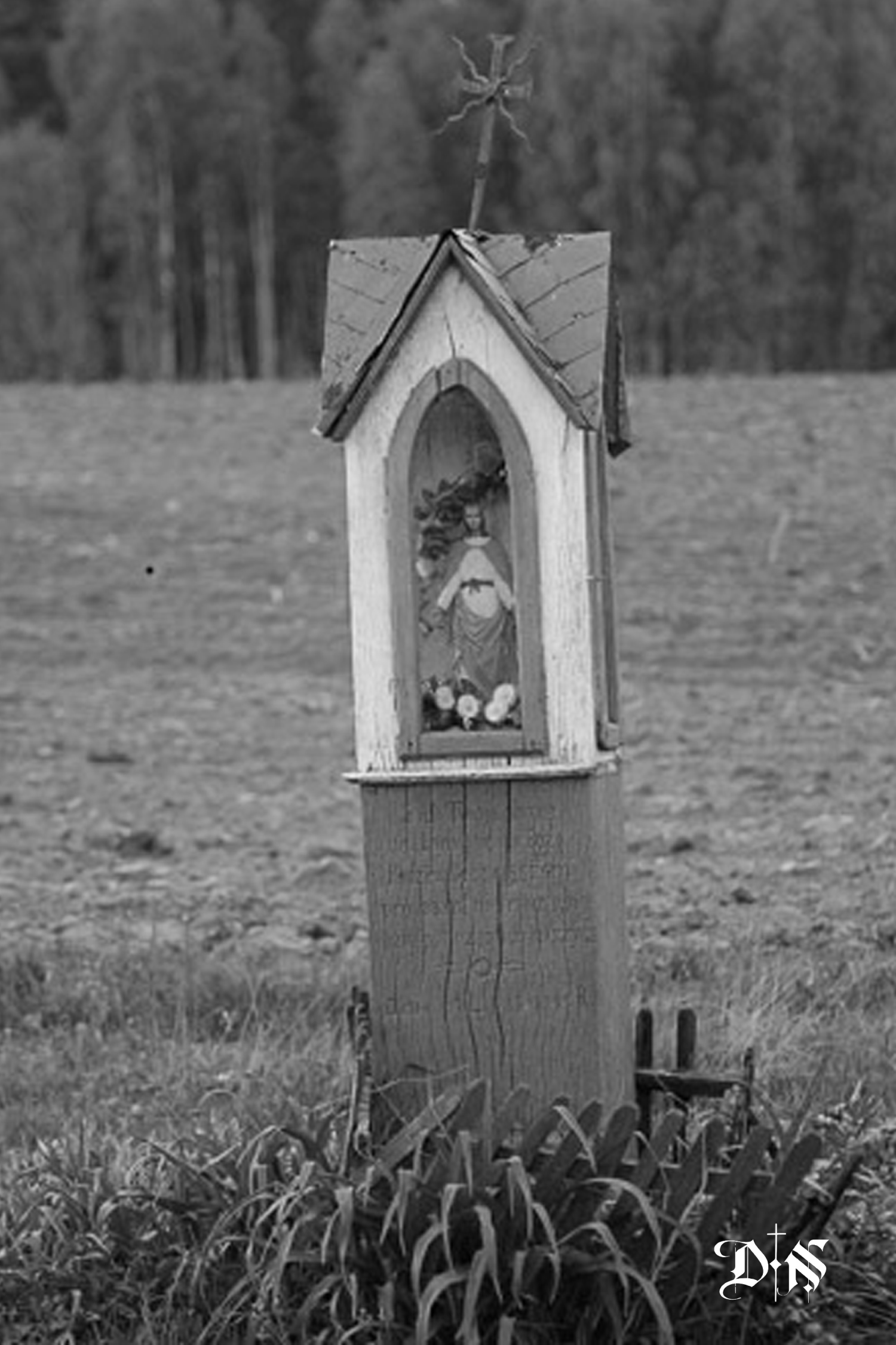
Roadside chapels constitute an inseparable element of the Polish religious landscape. These small structures, often erected at road intersections, in fields, near houses, and in forests, express deep folk piety and devotion to Mary. In this essay, we will examine the history of roadside chapels, their significance for Polish spirituality, and the specificity of Marian devotion that develops around them.
History of Roadside Chapels
Roadside chapels began appearing in Poland as early as the Middle Ages. Initially, they had a thanksgiving or supplicatory character. They were built in places where extraordinary events occurred, such as apparitions, miraculous healings, or escapes from danger. During times of plague, war, or other disasters, chapels were erected as votive offerings of gratitude for deliverance or as petitions for God’s protection.
Architecture and Symbolism
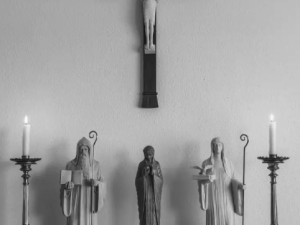
Roadside chapels take various forms and architectural styles. They can be simple wooden crosses, small brick chapels, or even more elaborate constructions with sculptures and paintings. Most often, the center of the chapel features a statue or image of the Virgin Mary, reflecting the deep Marian devotion present in Polish tradition. The symbolism of chapels is rich and multifaceted. They serve as places of prayer and meditation, remind us of God’s presence in daily life, and invite a moment of pause and reflection. Chapels are also signs of collective memory, commemorating important events from the history of the local community.
Marian Devotion
Marian devotion plays a central role in Polish folk piety. The Mother of God is venerated as protector, intercessor, and mother of all the faithful. Roadside chapels dedicated to Mary are places where the faithful can express their love, gratitude, and petitions to the Mother of God. Around the chapels develops a rich tradition of Marian devotions, such as May devotions, the rosary, or Marian services celebrated in May and October. These forms of piety are deeply rooted in Polish tradition and constitute an important element of religious life for many communities.
Social and Spiritual Role of Chapels
Roadside chapels play an important social and spiritual role. They are meeting places for the local community, where people gather for common prayer, singing, and reflection. During Marian feasts, such as the Feast of Our Lady of Herbs, chapels become sites of solemn celebrations where flowers, herbs, and crops are brought as expressions of gratitude for Mary’s protection. Chapels are also testimonies to the continuity of tradition and religious identity. Passed down from generation to generation, they are symbols of belonging to the community and expressions of care for preserving spiritual heritage.
Contemporary Significance
Today, roadside chapels continue to play an important role in religious and social life. In an era of rapid change and urbanization, they serve as oases of peace and spiritual respite. Their presence reminds us of spiritual values that are the foundation of Christian life. Chapels are also places of intercultural and intergenerational dialogue. In many regions of Poland, one can observe initiatives for the renovation and conservation of chapels, involving both older and younger community members. These joint efforts strengthen interpersonal bonds and reinforce the sense of community.
Roadside chapels are not only architectural and sacred art monuments but, above all, living testimonies to deep folk piety and Marian devotion. Their presence in the Polish landscape reminds us of God’s presence in daily life, encourages prayer and reflection, and strengthens the bonds of local communities.
In the face of contemporary challenges, chapels remain enduring symbols of spiritual heritage and living faith that unites generations and shapes religious identity.
Photo taken by me. All rights reserved.

 Autor
Autor