 Autor
AutorIn December 1273, a few months before his death, Saint Thomas celebrated Mass at the Dominican monastery in Naples. During the celebration, he had a vision, the content of which remains a mystery. However, it is known that from that moment, he changed his approach to intellectual work.
His secretary and friend, Brother Reginald of Piperno, recorded that after this vision, Thomas stopped writing and working on his works. When Reginald tried to persuade him to continue working on the *Summa Theologica*, Thomas replied:
“**I cannot. Everything I have written seems like straw compared to what I have seen.**”
This is one of the saint’s most famous statements. It signified that in the face of direct experience of God, all human intellectual efforts, though valuable, are nothing compared to His glory.
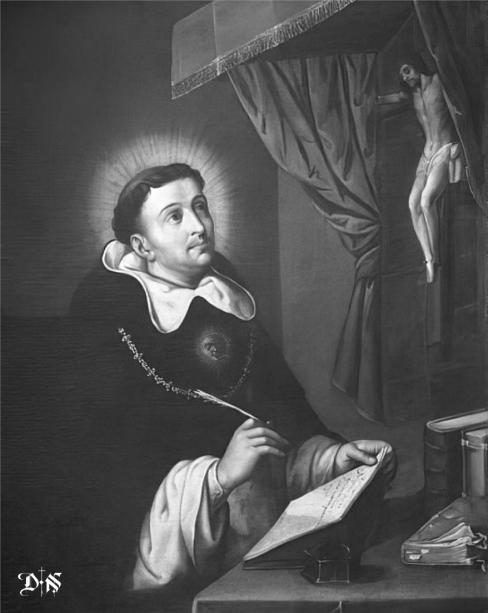
Soon after this mystical experience, Thomas had another vision, during which – according to tradition – Jesus Christ appeared to him. He is said to have asked:
“**Well done, Thomas. What reward do you wish to receive?**”
To which Thomas replied:
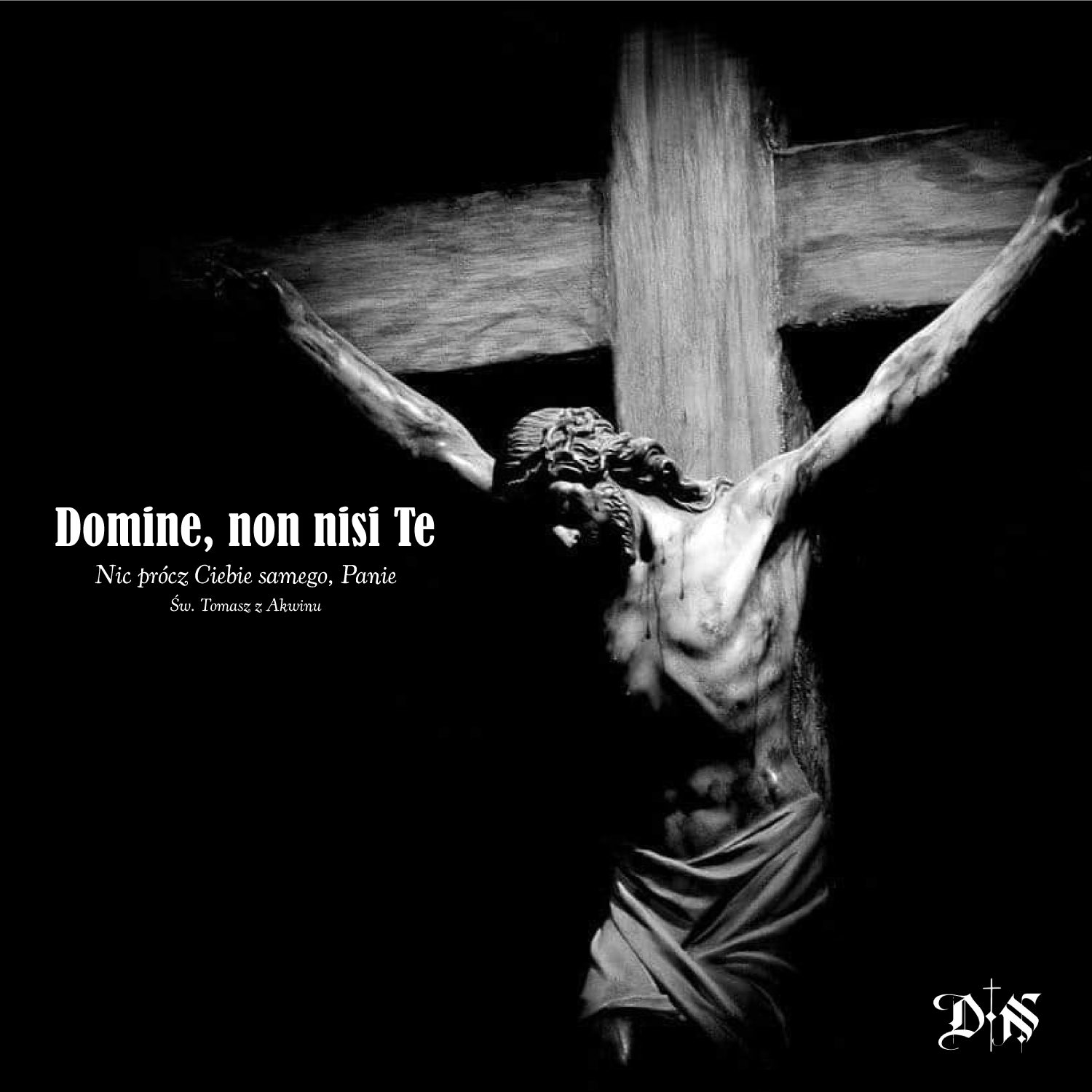
“Domine, non nisi Te” – “Lord, only You.”
This confession sums up his entire life. Despite his immense intellectual achievements, at the end of his journey he recognized that the only value that truly matters is God Himself. He desired no reward, recognition, or honors – he wanted only God.
A few months after this vision, on March 7, 1274, Thomas died on his way to the Second Council of Lyon.
He remained humble until the end of his life, and his mystical experience gave the final shape to his spirituality.
His life shows that intellect and reason are important on the path to God, but love and mystical union with Him are the ultimate goal of a person.

 Autor
Autor