 Autor
AutorThe Book of Ecclesiastes, also called the Book of Qoheleth or the Book of the Preacher Solomon, belongs to the collection of wisdom books in the Old Testament and occupies a unique place within it.
Qoheleth was the official title of a sage authorized to speak publicly. Who he was exactly is not known. He is said to be a son of King David. It may refer to King Solomon, although some facts make this identification uncertain.
The author of the Book of Ecclesiastes reflects on the meaning of human life, examining its various dimensions. His reflections cover both individual and social aspects of existence. Based on careful observations of the life around him, he continually questions the value of various manifestations of human life. He does not offer simple answers or a schematic theology of reward and punishment, but invites the reader to reflect on the fragility of human existence in the face of transience and death.
The originality of this book lies in its bold, realistic, and deeply existential approach to fundamental questions about the meaning of life, work, suffering, and humanity’s relationship with God.
One of the key elements of God’s vision in Ecclesiastes is His radical transcendence. God remains completely distinct from the world and humanity, and His actions are beyond human control or full understanding. Qoheleth states this clearly: “He has made everything beautiful in its time. Also, he has put eternity into man’s mind, yet so that he cannot find out what God has done from the beginning to the end” (Eccl 3:11). This highlights the fundamental limit of human knowledge and indicates the ontological difference between Creator and creation. God in Ecclesiastes is the Lord of time. The famous hymn about time (Eccl 3:1–8) presents the reality of the world as ordered according to God’s design. Every event has its appointed time, set by God, independent of human plans or expectations. Humans do not control time but are subject to it. This awareness leads Qoheleth to critique human pride and the illusion of self-sufficiency. God’s transcendence does not mean His absence. On the contrary, God sustains the order of the world and gives it meaning, even if that meaning remains partially hidden from humans. Qoheleth presents God as one who acts freely and sovereignly, not constrained by human religious schemes.
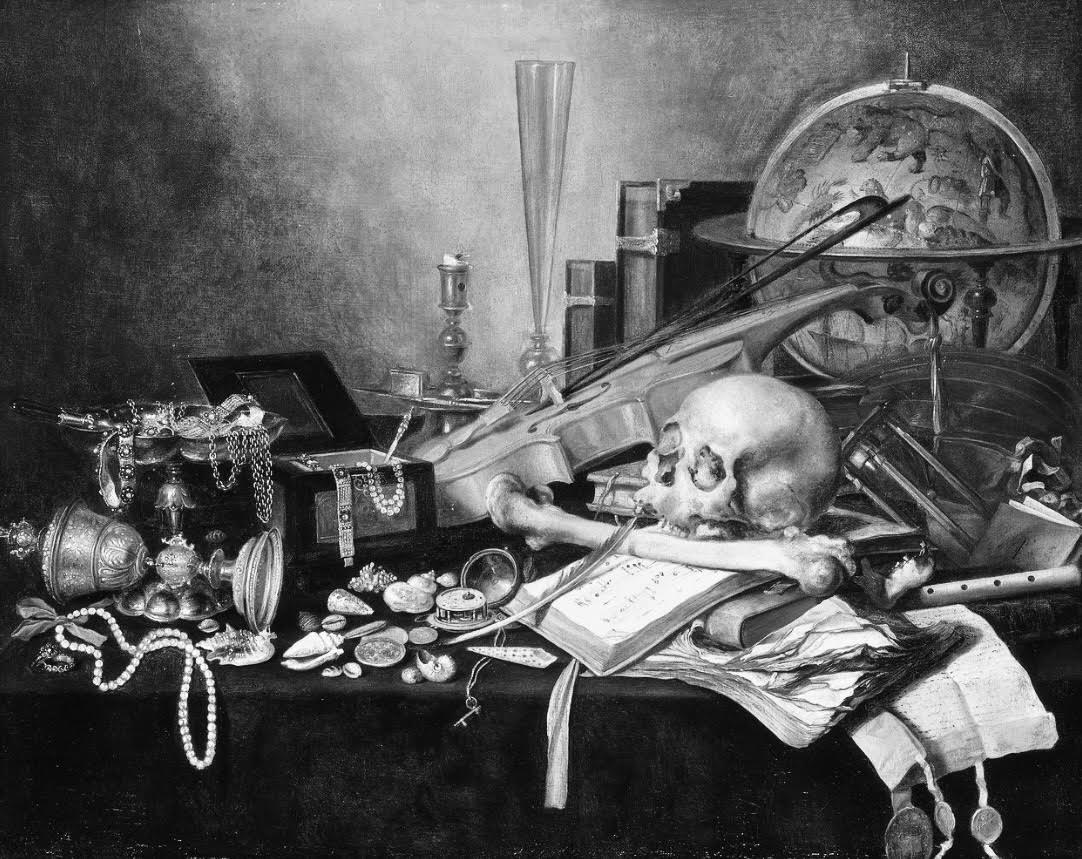
Another important aspect of God’s vision in Ecclesiastes is the image of God as the Giver of Life and the boundaries of human existence. The author consistently emphasizes that life is a gift from God, as are all the goods humans enjoy. Joy in work, food, and daily effort is not solely the result of human endeavor but a gift from “the hand of God” (Eccl 2:24). Humans are not owners of life but its stewards. At the same time, God sets the limits of human existence, including its end. The theme of death appears repeatedly in the book and is one of its central topics. Death touches everyone – the wise and the foolish, the righteous and the wicked (cf. Eccl 9:2–3). Qoheleth neither denies this reality nor tries to soften it but presents it as part of God’s order of the world. From this perspective, the meaning of life does not lie in its permanence or the accumulation of possessions, but in the ability to embrace the gift of the present moment. God does not reveal the full meaning of existence to humans but gives them the possibility of living wisely and responsibly. Ecclesiastes emphasizes that apart from God the Creator, nothing has absolute value, is permanent, or can fully satisfy. Neither wealth, power, fame, nor even wisdom makes a person complete or content. This idea is expressed in the words: “Vanity of vanities, all is vanity.”
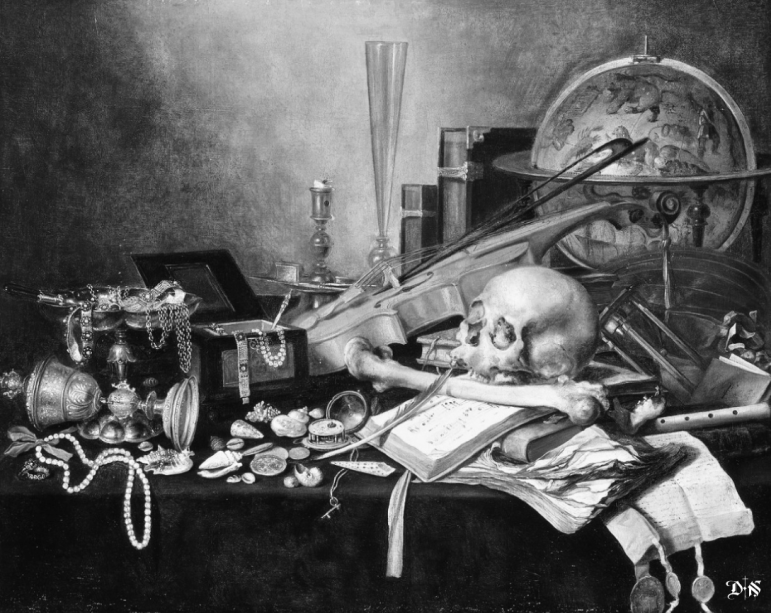
The editors of BT explain that the term vanity, in Qoheleth’s usage, refers to what is [considered by him] unstable, deceptive, futile, and useless. The Hebrew word *hevel*, typically translated as “vanity,” actually means “vapor,” “fleetingness,” “smoke,” or “mist” – it is not inherently negative and does not imply literal “worthlessness” but rather the impermanence of creation. One of the most challenging issues raised by Qoheleth is the question of God’s justice and human suffering. He observes that reality often contradicts the traditional principle of recompense: “There is a vanity that occurs on earth: there are righteous people to whom it happens as though the deeds were those of the wicked” (Eccl 8:14). This experience leads to deep reflection on the meaning of suffering and the moral order of the world. Qoheleth does not reject faith in God’s judgment but places its full realization beyond human comprehension. “God will judge the righteous and the wicked” (Eccl 3:17) – this affirms God’s justice, even if its operation is not always visible in this life. Such a vision of God protects against naive religious optimism, but also against despair. Humans are called to trust God despite the lack of complete answers. God’s justice remains a mystery but does not deny His existence.
A central theological category in Ecclesiastes is the fear of God. It does not mean paralyzing fear but an existential humility before God. The author warns against superficial religiosity and empty rituals: “Do not be quick with your mouth, do not be hasty in your heart to utter anything before God” (Eccl 5:1). Fear of God is expressed in recognizing one’s limitations and obeying God’s commandments. The culmination of the entire book is the statement: “Fear God and keep his commandments, for this is the whole duty of man” (Eccl 12:13). This sentence synthesizes Qoheleth’s reflections, showing that the meaning of life lies not in knowing all the mysteries of the world but in a faithful relationship with God. The book convinces the reader that no wealth, power, fame, or even wisdom can make a person confident or fully happy.
According to the author, everything is vanity. This applies to human actions aimed at achieving wealth and fame. Ecclesiastes criticizes greed, wastefulness, neglecting what is beautiful, and the pursuit of maximum pleasures. The sage also reminds that humans are subject to the law of impermanence and forgetfulness. Therefore, we should enjoy what we have rather than constantly desire more.
The book teaches the need for perspective on life, accepting both joy and sorrow, and practicing moderation and reason, which humans should remember in both good and bad times.
Ecclesiastes ends with a striking passage: “Remember your Creator in the days of your youth… Fear God and keep his commandments, for this is the whole duty of man! For God will bring every deed into judgment, including everything hidden, whether good or evil.” It calls readers to live according to God’s law, for He alone is eternal, and His wisdom is everlasting. Everything we possess comes from God. The image of God in Ecclesiastes is demanding but profoundly relevant. God appears as Lord of time and history, beyond human religious schemes, yet as the One who gives life meaning through the gift of existence and the ability to rejoice in the present moment.
The author does not remove the tensions of transience, suffering, and death, but presents faith as a mature path, based on fear of God and trust in His mystery. Qoheleth gathers, like a bundle of various grasses, all the experiences that revealed to him the brevity, uncertainty, instability, temporariness, and fleetingness of life. Yet he did not lose the desire to live, nor the love of reflection and the effort to understand.
The vision of God presented by the author is deeply realistic and theologically mature. God appears as the Giver of life and its limits, the Just Judge, and a mystery before which humans should adopt an attitude of humility and trust.

 Autor
Autor