 Autor
Autor
Eucharist: Sacrament of the Living and True Presence of Jesus Christ
The Eucharist, also known as the Most Holy Sacrament, is the central element of Christian faith, especially in the Catholic Church. Recognized as one of the seven sacraments, the Eucharist is considered the real and true presence of Jesus Christ under the forms of bread and wine. In this essay, we will discuss the theological and spiritual significance of the Eucharist, its place in the life of the Church, and its impact on the lives of the faithful.
Theological Foundations of the Eucharist
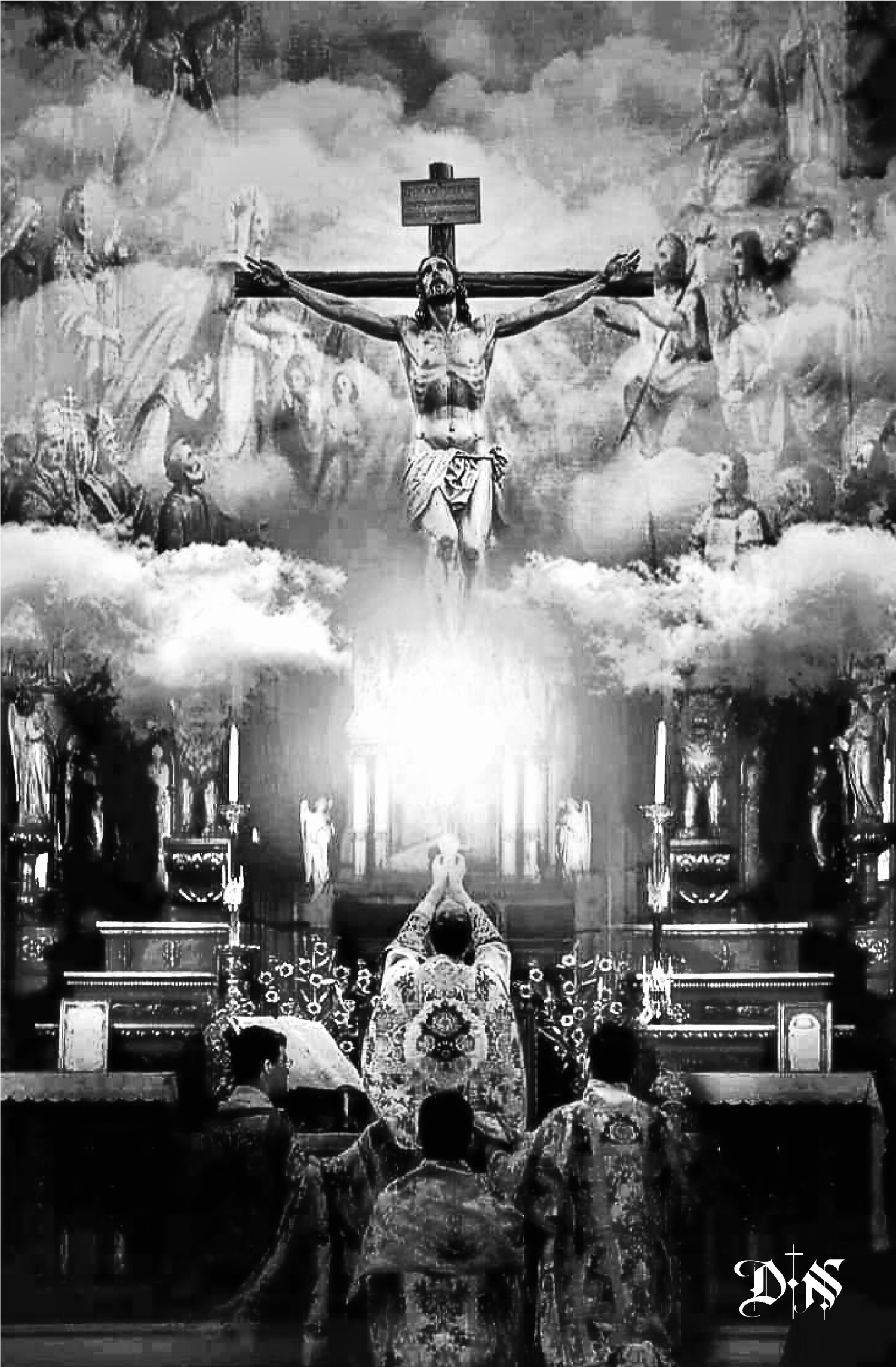
The foundation of Eucharistic theology is the belief that the bread and wine used in the liturgy of Holy Mass truly become the Body and Blood of Jesus Christ. This doctrine is based on the words of Jesus spoken during the Last Supper: “This is My Body… this is My Blood” (Lk 22, 19-20). The Catholic Church teaches that through the words of consecration spoken by the priest during Mass, transubstantiation takes place, in which the substance of bread and wine changes into the substance of Christ’s Body and Blood, although their outward appearances remain unchanged.
Eucharist as the Source and Summit of Church Life
The Second Vatican Council defined the Eucharist as the “source and summit of the whole Christian life” (Lumen Gentium, 11). This definition emphasizes that all other sacraments and activities of the Church draw their power from the Eucharist and lead to it. The Eucharist is not only a memorial of Christ’s passion and death but also a real participation in His sacrifice, which is present in every Holy Mass.
Spiritual Significance of the Eucharist
For the faithful, the Eucharist is spiritual food that strengthens their faith and unites them with Christ. St. Thomas Aquinas calls the Eucharist the “sacrament of love,” because through this sacrament Christ expresses His love for humanity by giving Himself as a gift. Participation in the Eucharist therefore has a profound personal and communal dimension, as it unites the faithful both with Christ and with one another.
Eucharist as Sacrament of Unity
The Eucharist is also a sacrament of unity. Common participation in the Eucharistic liturgy unites the faithful into one body, which is the Church. St. Paul writes in his First Letter to the Corinthians: “Because there is one bread, we who are many are one body” (1 Cor 10, 17). This unity is not merely symbolic but real, because all partake of the one Body of Christ.
Eucharist and Daily Life
For many faithful, the Eucharist is a source of strength and inspiration in daily life. Regular participation in Holy Mass and reception of Holy Communion helps Christians live according to Christ’s teaching, practice love of neighbor, and avoid sin. The Eucharist also reminds us of the need for conversion and reconciliation, which is particularly evident in the sacrament of penance and reconciliation, which often precedes reception of Communion.
Contemplation and Eucharistic Adoration
Contemplation and Eucharistic adoration are important aspects of Eucharistic piety. Adoration of the Most Blessed Sacrament, practiced both individually and communally, allows the faithful to immerse themselves more deeply in the mystery of Christ’s presence. During adoration, the faithful can pay homage to Christ, meditate on His love, and draw spiritual support.
Challenges and Reflections
The contemporary world poses various challenges to Eucharistic faith. Secularization, declining participation in liturgy, and misunderstanding of the doctrine of transubstantiation are just some of the problems the Church faces. Nevertheless, the Eucharist remains the central element of Christian life, an irreplaceable source of grace and spiritual strength.
The Eucharist, as the sacrament of the living and true presence of Jesus Christ, is the foundation of Christian life. Through its profound theological significance, spiritual power, and ability to unite the faithful, the Eucharist remains the central point of Christian faith and piety. Participation in the Eucharist, contemplation of its mystery, and practice of love of neighbor, which it teaches, are the path to deeper union with Christ and fulfillment of the call to holiness in daily life.

 Autor
Autor