 Autor
AutorMonastic Life: Path to Spiritual Depth
Monastic life, also known as religious life, is a form of religious living in which individuals dedicate their lives to prayer, work, and contemplation in seclusion from the world. This way of life has its roots in early Christianity and has played a significant role in shaping spirituality, culture, and society for centuries. Monasticism, though austere and demanding, offers profound spiritual experiences and the opportunity for complete devotion to God.
Origins and Evolution of Monasticism
The beginnings of Christian monasticism date back to the 4th century, when St. Anthony the Hermit began his life as a hermit in the Egyptian desert. His example inspired many others to follow a similar path, leading to the formation of the first eremitic communities. Soon after, St. Pachomius established the first cenobitic communities, where monks lived together under a common rule. This form of religious life became the foundation for many later orders that developed over the centuries. One of the most influential was the Benedictine order, founded by St. Benedict of Nursia in the 6th century. His “Rule of St. Benedict” became the standard for many monastic communities, combining prayer, work, and study into a harmonious whole. In subsequent centuries, other orders emerged, such as the Carthusians, Cistercians, Franciscans, and Dominicans, each contributing unique elements to the monastic tradition.
Main Aspects of Monastic Life
Monastic life is organized around several key elements: prayer, work, study, community, and the evangelical counsels: poverty, chastity, and obedience.
Prayer
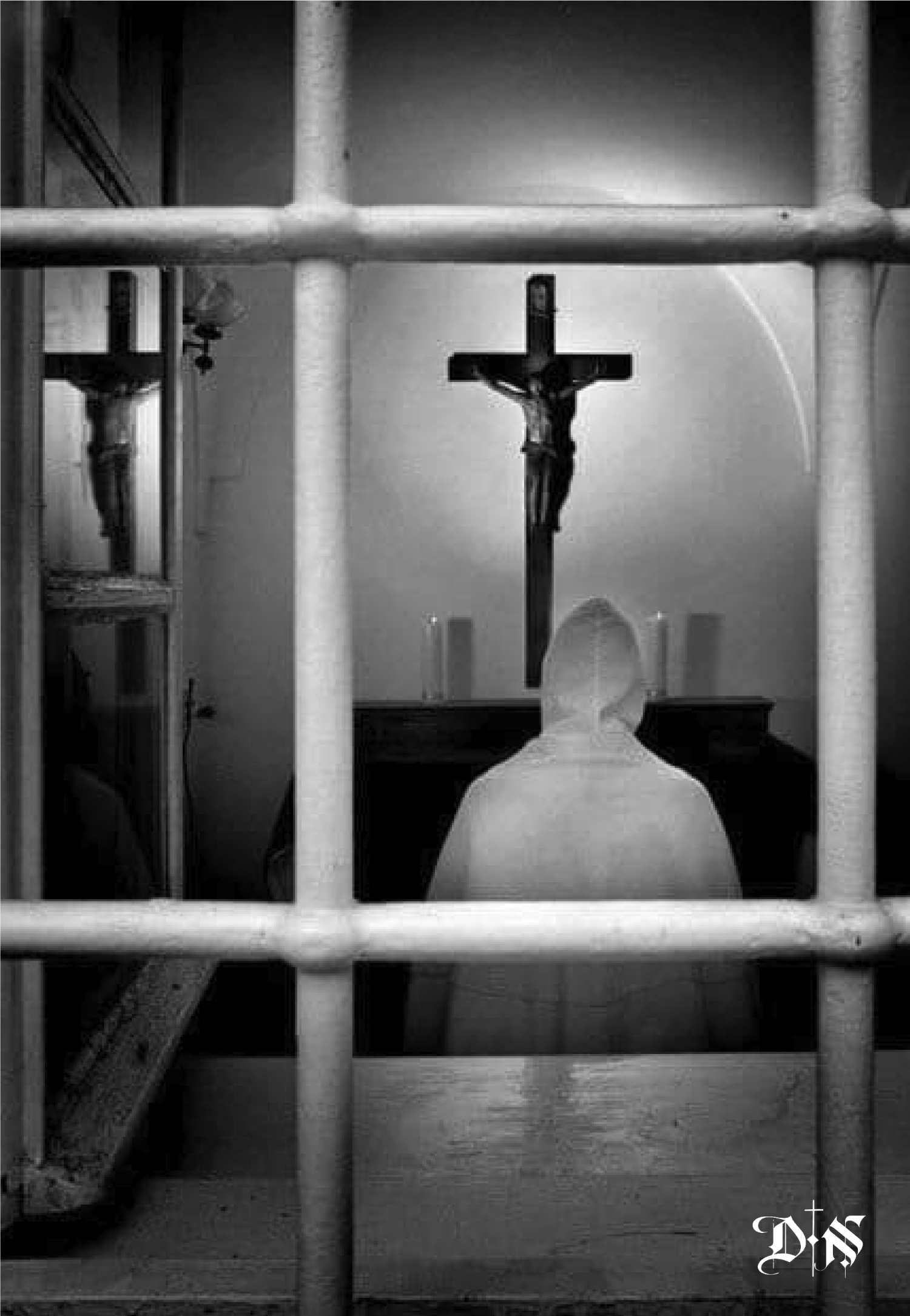
Prayer is the heart of monastic life. Monks and nuns celebrate the Liturgy of the Hours, which includes prayers recited at specific times of the day, from early morning to late evening. Individual prayer and meditation are also integral parts of their daily routine, helping them maintain a constant connection with God.
Work
Work in the monastery is seen as a form of prayer and service. Monks and nuns perform various physical and intellectual tasks, such as farming, crafts, copying manuscripts, or running schools. This work not only ensures the community’s self-sufficiency but also helps monks achieve spiritual discipline and balance.
Study
Study is another important aspect of monastic life, especially in orders like the Benedictines and Dominicans. Monks and nuns devote time to studying Scripture, theology, and other disciplines, which helps them deepen their faith and prepare for teaching and preaching.
Community
Although monks often live in seclusion, community life is key to cenobitism. The monastic community provides spiritual, emotional, and material support. Monks share duties, pray together, and eat meals together, creating strong bonds of brotherhood and solidarity.
Evangelical Counsels
Monks and nuns vow three evangelical counsels: poverty, chastity, and obedience.
Poverty means renouncing material goods, allowing for greater spiritual freedom.
Chastity, or celibate life, enables complete dedication to God.
Obedience, or submission to superiors, helps shape humility and discipline.
**Influence of Monasticism**
Monasticism had a tremendous influence on the development of Christianity and Western culture. Monasteries were centers of education, art, science, and agriculture. Monks and nuns contributed to the preservation and copying of manuscripts, which was crucial for the survival and transmission of ancient and medieval knowledge. Monasteries were also places of hospitality and social care, offering shelter, food, and medical care to travelers, the poor, and the sick. In this way, monastic life contributed to shaping Christian values of love for neighbor and service.
Main Forms of Monasticism
1. **Eremitism (hermitage):**
– Monks and nuns live in complete isolation, devoting themselves to prayer and contemplation in seclusion. An example is the life of St. Anthony the Hermit.
2. **Cenobitism:**
– Monks live in community under a common rule and the authority of a superior. This style was initiated by St. Pachomius and developed by St. Benedict of Nursia, who wrote the “Rule of St. Benedict.”
Main Orders and Their Rules
1. **Benedictines:**
– Founded by St. Benedict of Nursia, they live according to his rule, which combines prayer, work, and study. The order’s motto is “Ora et Labora” (Pray and Work).
2. **Carthusians:**
– Founded by St. Bruno of Cologne, they combine elements of eremitic and communal life. Carthusians live in small hermitages within a larger monastic community.
3. **Cistercians:**
– A Benedictine reform initiated by St. Robert of Molesme, aimed at returning to a stricter life according to the Rule of St. Benedict. Known for farming and contemplation.
4. **Franciscans:**
– Founded by St. Francis of Assisi, they focus on poverty, simplicity, and work with the poor. Franciscans lead a more active lifestyle compared to other monastic orders.
5. **Dominicans:**
– Founded by St. Dominic, they combine contemplative life with active teaching and preaching. Dominicans place great emphasis on study and learning.
Contemporary Monastic Life
In modern times, monastic life continues to attract those seeking deep spiritual experience and desiring to dedicate their lives to God. Contemporary monasteries adapt to changing conditions while preserving their fundamental values and practices. Although the number of people entering orders has decreased compared to past centuries, monastic life still plays an important role in the Catholic Church and other Christian traditions. Monasticism remains a living witness to spiritual depth, devotion, and the search for God in a world full of noise and chaos.
Summary
Monastic life is a unique spiritual path that offers the opportunity to unite with God through prayer, work, and contemplation. Its rich history and diversity of forms show how different paths can lead to the same goal: complete devotion to God and the pursuit of spiritual perfection. Contemporary monastic life, though smaller in number, continues to play an important role in shaping Christian spirituality and culture, offering inspiration and example for those who wish to live more deeply in faith.
Monastic life, though demanding and austere, offers profound spiritual experience and the opportunity for complete devotion to God. For those who feel called to this way of life, it is a path to spiritual growth and closeness to God.

 Autor
Autor