 Autor
AutorSaint Bruno of Cologne: Philosopher, Theologian, and Founder of the Carthusian Order
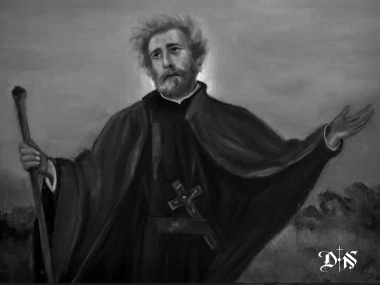
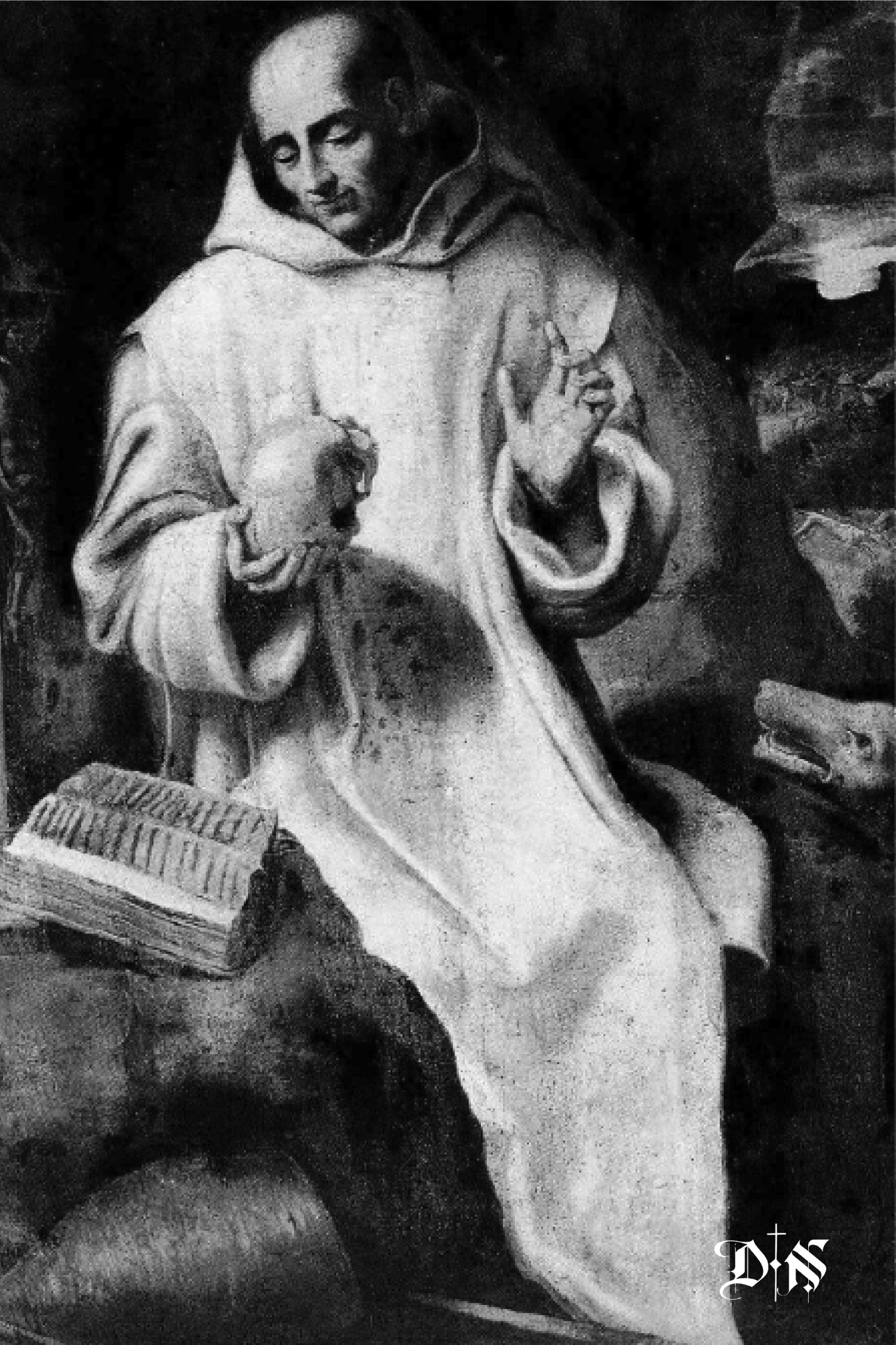
Saint Bruno of Cologne, born around 1030, is an extremely important figure in the history of the Catholic Church. As a philosopher, theologian, and founder of the Carthusian Order, Bruno played a key role in shaping the spiritual and intellectual landscape of medieval Europe. In this essay, we will look at his life, theological thought, and the influence he had on the development of monasticism.
Early Years and Education
Bruno was born in Cologne to a noble family. His education was comprehensive, covering both theological and philosophical studies. He studied in Reims, where he gained thorough knowledge of theology and philosophy. Soon, he became a renowned lecturer and rector of the cathedral school in Reims. His intellectual abilities and deep piety attracted many students and collaborators.
Spiritual Crisis and Monastic Calling
Despite academic success and recognition, Bruno felt an inner restlessness and a desire for deeper union with God. As a result of a personal spiritual crisis, he decided to abandon his academic career and dedicate himself to a contemplative life. In 1084, together with six companions, he settled in the remote Chartreuse valley in France, where he founded an eremitical community that became the seed of the Carthusian Order.
Founding of the Carthusian Order
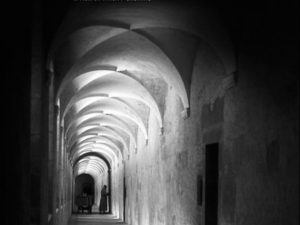
The Carthusian Order, founded by Bruno, combined elements of eremitical and communal life. The monks lived in separate cells, leading lives of silence, prayer, and asceticism, but gathered for communal prayers and meals. The order’s rule emphasized silence, solitude, and contemplation, distinguishing it from other monastic communities of the time.
Philosophy and Theology
Bruno did not leave behind many theological writings, but his life and spirituality had a huge impact on the development of mystical theology. His approach to monastic life was deeply rooted in the conviction of the need for inner union with God through prayer and contemplation. Bruno believed that true wisdom and knowledge of God could only be attained through silence and focus on God, away from the noise of the world.
Impact on the Church and Monasticism
Saint Bruno and the Carthusian Order he founded played a key role in Church reform and the renewal of monastic life in the Middle Ages. The Carthusians, through their strict discipline and devotion to prayer, became a model for other monastic communities. Their life was a testimony to authentic piety and deep commitment to the pursuit of holiness.
Legacy of Saint Bruno
The legacy of Saint Bruno has endured through the centuries. The Carthusian Order, despite numerous challenges, has survived to this day, maintaining its original rule and charism. The Carthusians remain one of the strictest and most contemplative orders in the Catholic Church, and their life and spirituality continue to inspire many faithful.
Saint Bruno of Cologne, as a philosopher, theologian, and founder of the Carthusian Order, left an indelible mark on the history of the Catholic Church. His life and work testify to a profound desire for union with God and dedication to prayer and contemplation. Bruno’s legacy lives on in the Carthusian Order, which continues to play an important role in the spiritual life of the Church, offering the contemporary world a model of authentic piety and mystical contemplation.
Liturgy to Saint Bruno of Cologne

 Autor
Autor